Category: Depression and Anxiety
-
Understanding Depression’s Source Improves Treatment

Understanding the source of your depression increases the odds of a positive treatment outcome. The word depression is frequently misused. Feeling sad about an upsetting occurrence is normal. Crying if you feel hurt is normal. Sad, hurt feelings are depressing experiences, however usually do not mean a person is suffering from depression. The diagnosis of…
-
Trust: Building It Slowly and Recovering After It’s Broken

Healthy trust builds over time through a series of kept promises. Trusting someone too soon is emotionally risky and is based on a desperate need to connect. Being unwilling to regain trust that has been lost can be just as self-sabotaging. Many people eager for a relationship make the mistake of deciding a person is…
-
The Balance Between Healthy and Unhealthy Selfishness

Knowing How And When To Be Selfish Is Important For Maintaining Self Esteem. Being Unselfish Strengthens Intimate Bonds. Healthy Selfishness Is Self-Affirming. Unhealthy Selfishness Involves Self-Obsession And The Neglect Of Others. Selfishness involves being exclusively or excessively concerned for oneself and one’s own pleasure, needs, and wants. Selfish people are consumed with themselves and therefore…
-
How Childhood Trauma Builds Emotional Resilience
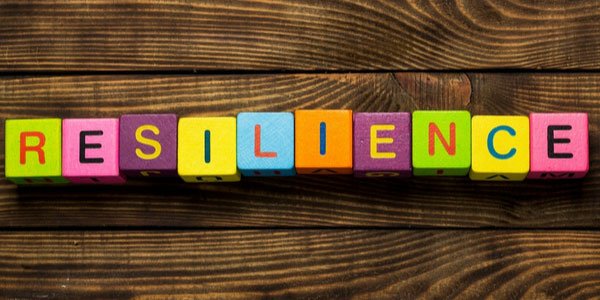
Emotional resilience is one result from growing up in an alcoholic or other type of dysfunctional family system. Those who suffer trauma early in life are often better prepared to cope with stress and crises later in life than those who grew up in healthy, stable home environments. Growing up in an alcoholic family, frightening,…
-
Overcoming Fear and Isolation After COVID Vaccinations
Despite COVID vaccinations happening by the millions, many remain scared and confused about how to expand out of their pandemic isolation. In the early days of the coronavirus pandemic, the restrictive shelter-in-place order traumatized millions of Americans. The isolation was frightening, especially for people who lived alone. We longed for a return to our everyday…
-
Procrastination Hurts Success but Can Be Overcome

Procrastination means ” to intentionally put off something that needs to be done.” Everyone occasionally delays doing something they intended to do. Procrastination significantly contributes to under-functioning in the personal and professional aspects of life. The causes of avoidance vary, but they are all treatable. However, this behavior becomes a problem if it becomes to…
-
Defiance Toward COVID-19 Rules Rooted in Fear and Denial
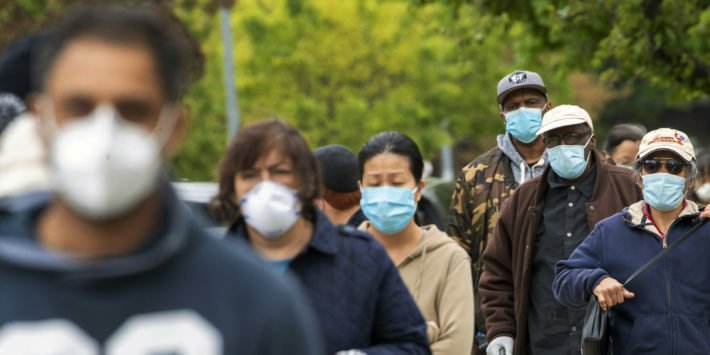
What explains the defiant stance many people have taken towards the COVID-19 protocols? The risky choices people are making during the latest surge in infection rates indicate attitudes and behaviors that are rooted in fear, anger, and denial. The losses, restrictions, and unwanted changes inflicted upon us during the pandemic have created mass trauma throughout…
-
Anger and Trauma During the Uncertainty of COVID-19

In addition to feeling fearful and sad, feeling angry about the coronavirus outbreak is normal and understandable. Suffering through extreme deprivation and uncertainty can trigger memories of past abuse. It may be difficult for some people to understand the anger and blame many feel about the coronavirus epidemic that is raging through this country. If…
-
Emotional Impact of Stay-at-Home Life During COVID-19

The emotional effects of the stay-at-home experience during the coronavirus crisis. In addition to the threat to our physical health, The Covid-19 epidemic is presenting a danger to the mental health of everyone forced to practice extreme social distancing. Those who are already dealing with managing chronic mental health issues such as depression, generalized anxiety…
-
Laziness Stems from Insecurity and Lack of Planning

Laziness can become a habit. Is it rooted in insecurities and lack of an organized plan One of the most common excuses people give for procrastinating and not completing tasks is that they are “ lazy”. We can all relate to the feeling of not wanting to exert ourselves, especially for a difficult or “non-stop…