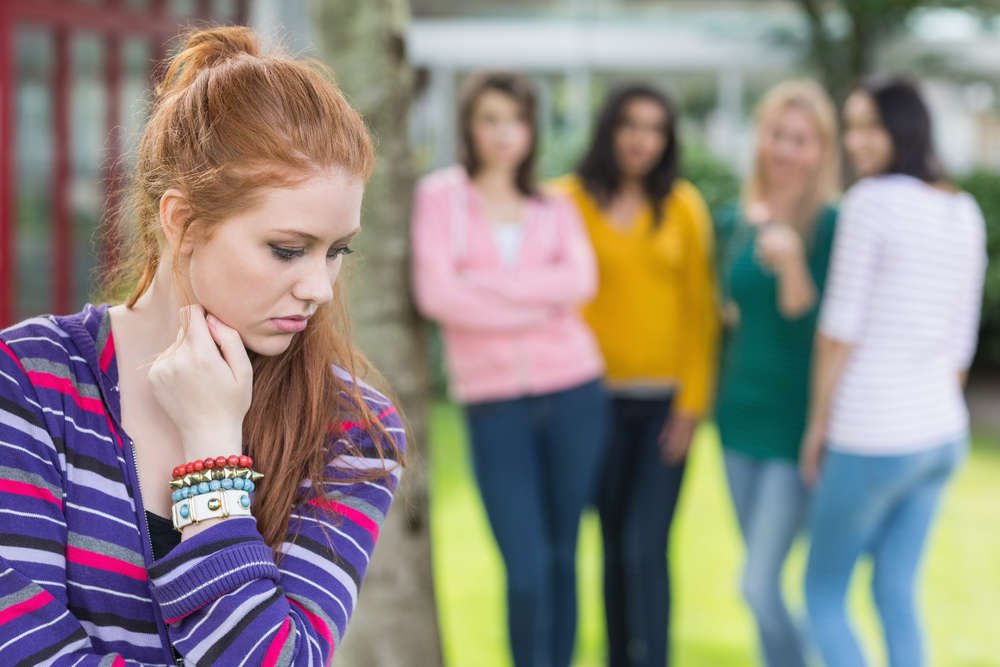

Social anxiety can be paralyzing. Some people suffer from social anxieties due to childhood trauma, low self-esteem, or peer pressure. Social situations can trigger fears of rejection, humiliation, and stress. Shyness also causes anxiety by triggering comparison to others and fear of failure at succeeding at social expectations.
Physical symptoms like shaking, sweating, becoming speechless, and a racing heart are common symptoms of severe anxiety that will deter people from engaging in social contact. High levels of distress create negative thoughts and beliefs that cause trauma and physical disregulation. Anxiety in social situations are based on fear of rejection, embarrassment, awkwardness and prediction of failure. Early childhood trauma, negative experiences with peers, body image issues and shyness are issues that contribute to feeling anxiety around people.
Alcoholism, mental illness, isolation, emotional neglect, and rigidity are environments that predict social discomfort. Trust, confidence, self-worth and adaptability are challenging for people who grew up scared, ignored, stifled, or criticized. Being around new people can create anxiety about the worst case scenario occurring. Even engaging with familiar people can cause social anxiety for people from dysfunctional backgrounds. Family environments where people act in unpredictable, abusive, or critical ways creates the belief that being around groups of people is unsafe.

The desire to form social relationships and acquire social experiences isn’t enough to eliminate social anxiety. It’s essential to 1) identify your specific fears, 2) understand the source of the fear, 3) stop negative projections by staying in the moment, 4) increase self-esteem, 5) identify irrational thinking, 6) choose environments where you feel stimulated, accepted, interested, 7) seek counseling to resolve the negative influence of early life experiences or peer- centered traumatic events, 8) prepare scripts on topics you like to discuss and have confidence talking about.
Some level of social anxiety is ordinary. We all want to be accepted, welcomed, and understood. However, social environments are unpredictable. No matter how prepared we are for the specifics of a social gathering, unpleasant experiences can happen, and the fear of a social experience going badly can be overwhelming. Anxiety is often defined as “fear of the future.” Becoming skilled at staying in the moment, not over-personalizing, and having realistic expectations of social events will significantly lower anxiety and increase happiness and self-esteem. Preventive stress management techniques help with sensitivity, reactive defensiveness, or emotional shutdowns. The more you face the fear, the sooner social anxiety will stop, and the rewards of social experiences will be felt.

help
Leave a Reply