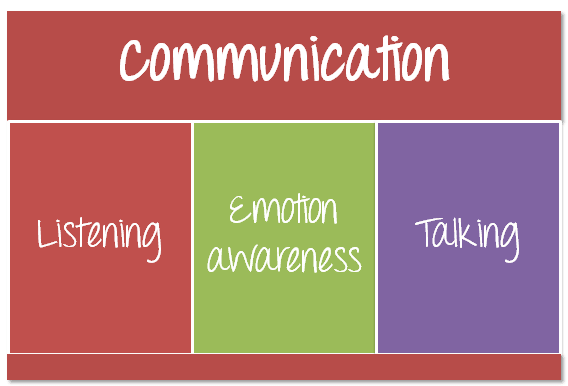

Effective listening and effective speaking are equally important in all forms of relationships. Hearing words being spoken does not indicate an understanding of the meaning, emotion, and intention of what is being communicated. If how communication is delivered is faulty, accurate listening is diminished.
“I heard what you said” is a typical response by people when asked, “do you understand what I am telling you.” Unfortunately, misunderstandings occur in relationships when the listener is not listening to understand the wholeness of what is being said. Effective listening involves trying to understand the feelings, context, and intention of the communicator’s message. Additionally, communicating without attention to the tone or organization of the message can discourage someone from listening with focus and interest. The person’s on both sides of the communication dyad are equally responsible for the occurrence of a positive outcome.
The Responsibility of The Speaker
The standards for effective communication involves;
- Using ” I” statements vs “you” statements
- Clarifying the main point of what you are talking about early into the conversation
- If the message you are sending is intimate, meaningful, or emotional for you, express that to the listener right away
- Avoid talking too long without allowing the listener an opportunity to respond
- Asking questions of the listener to help you shape what you want to address with them.
- Using eye contact, gestures, and tone of voice to engage the listener
- Avoid judging, blaming, and threatening the listener
Effective listening is greatly supported by the quality of the speakers communication. An approach that is clear in content, feeling, intentions, and expectations makes it easier for the listener to stay engaged. Positive results in communication between romantic partners, business associates, family, and friends increases when the words and tone used reduces the potential for defensive responses, hurt feelings, or misunderstandings.
The Responsibilty of the Listener

- Don’t think about your response while trying to listen
- Resist interrupting the person talking
- Find ways to manage your emotional reactions to what you are hearing
- Don’t multi-task while listening, i.e. looking at your phone
- Delay conversations if you are excessively tired, feeling sick, or are distracted by another emotional issue or situation
- During a pause in the conversation, politely let the speaker know you need to ask a question to help you stay engaged in listening and understanding.
It is challenging to maintain effective listening when we believe the content of what is hearing is inaccurate, unfair, or a personal attack. However, to keep active, accurate listening, it is essential to remind ourselves we will have our turn to respond. Controlling the impulse to interrupt, defend ourselves, or argue our point is a critical skill for communication that enhances intimacy, stability, and respect in all the relationships in our lives.
Leave a Reply