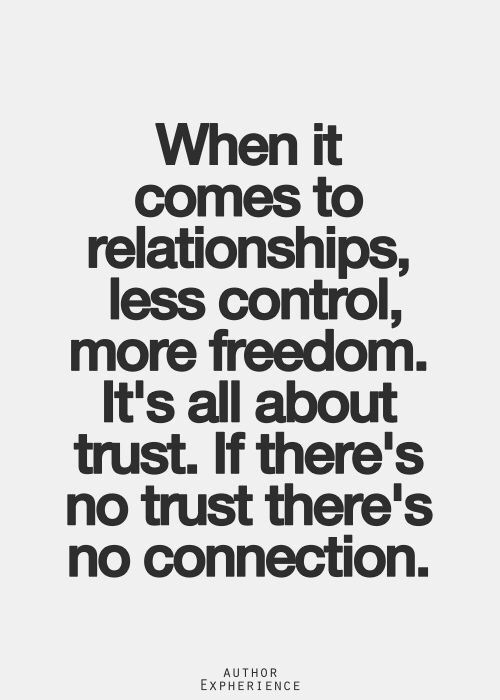
Putting your spouse or lover on a ‘short leash’ will ruin your relationship. Why do people need to assert this level of control over their partner, and why do partners put up with it?
In happy, healthy relationships people feel loved when they can be who they are, retain appropriate personal freedom, say ” NO” to unreasonable requests, pursue both separate and shared goals, and feel supported and respected, not judged and controlled. Putting a tracker on a spouses phone or car is a descent into a relationship failure.
What the “short leash” relationship looks like.
The ” short leash relationship” consists of restrictive rules and expectations aimed at controlling a partner’s behavior. The compulsion to know where your partner is at all times is a common aspect of this style of relationship. The person being restricted is expected to consistently explain where they are going, how long it will take, and why they need to go. Their phones, emails and social media are expected to be fully accessible to their partner. Alone time is discouraged as it is viewed as suspicious or hurtful. Insistence on being together constantly and the rejecting of healthy separation and boundaries is common behavior for a controlling partner. These patterns are viewed as appropriate to the partner who is asserting the rules. However, the recipient of the “leash” feels resentful, trapped, angry, disconnected and unfulfilled. A man will view his wife as a demanding mother and will no longer see her as a lover. A women will see their husband like an abusive, narcissistic father and comply with demands out of fear.

WHY SOMEONE ASSERTS EXTREME CONTROL OVER THEIR ROMANTIC PARTNER?
Anxiety, insecurities, low self-esteem, and prior experiences of infidelity or emotional abandonment make trusting another person emotionally challenging for many people in committed relationships. Asserting control over a spouse or lover’s behavior serves as a coping mechanism to manage the anxiety about being left or cheated on. If your partner has cheated or lied, the “short leash” is an understandable short-term approach to regaining trust. However, this degree of control is not a long-term solution to personal, emotional problems. Other occurrences in a marriage or long-term relationship that can set off insecurities or resentments that lead to unacceptable levels of control patterns are; 1) the cessation of sexual contact, 2) parallel living practices, 3) poor communication or 4) significant lessening of shared interests and emotional intimacy can set off anxiety leading to excessive control and demands on a partner.
Someone who chooses that strategy may also be angry at their partner, and the ” short leash” becomes a weapon of revenge for being wronged or feeling hurt. Additionally, people who default to becoming hyper-controlling may feel disappointed, bored, and underdeveloped personally. Thus, they will use their partner to define themselves and to compensate for unfinished business in their personal development.
WHY SOMEONE COMPLIES WITH THE EXCESSIVE DEMANDS AND CONTROL BY THEIR CONTROLLING SPOUSE OR LOVER?
Despite feelings of resentment about the restrictions and demands of a controlling spouse or lover, many husbands and wives cave in and comply. Fear of confrontation, rejection, abuse or financial consequences is common excuses. Although fears are understandable, it is a choice to accept the controlling, selfish treatment by a partner who demands the ” short leash.” The emotional profile of a person who doesn’t resist or rebel against the restrictive control by their partner is usually dependent, codependent, guilty, and fearful. Many people find themselves in relationships with complicated conditions which make them feel trapped and stifled. Being financially dependent on a partner makes confrontation and the risk of rejection frightening. Passive personalities might choose to stay in an unhealthy relationship over making a plan that will lift them out of dependency. A retired man may not want to resume working, or a young mother may feel too sad to leave their kids all day and therefore will resist finding a job. Fear of a diminishing lifestyle or loss of a home can cause a person to accept the shame and embarrassment of being bossed around. Not knowing how to say ” no” and to explain their resistance or boundaries can cause one to just give in. Unresolved guilt can also cause one to reluctantly comply to a short leash on them.w
What both people in this kind of dysfunctional relationship need to understand is neither the control pattern nor the compliance pattern will save or improve their relationship. The people in both of those roles suffer great emotional distress living that way. Both partners need to work on improving self-esteem, lessening dependence, develop a plan for stress/anxiety management, and develop skills in assertive communication. Continued existence in a ” short leash” relationship will result in 1) emotional disconnect, 2) lack of personal growth, 3) resentment, 4) depression, 5) sexual estrangement, or 6) break-up. Professional help is often needed to break this pattern that, despite its painful downsides, becoming a normalized, acceptable misery.
Leave a Reply